

When you choose a ring the diamond often gets most of your attention. Cut clarity and size are easy to compare. Origin is less visible yet it affects price ethics and long term value. Many buyers now consider stones created in controlled settings rather than mined ones.
This shift is not about trends. It is about control. You get predictable quality and fewer unknowns. You also avoid price swings tied to mining supply.
Man made diamonds are real diamonds. They share the same structure hardness and optical behavior as mined stones. The difference is how they form. Instead of growing deep underground they are created using high pressure or vapor processes that mimic natural conditions.
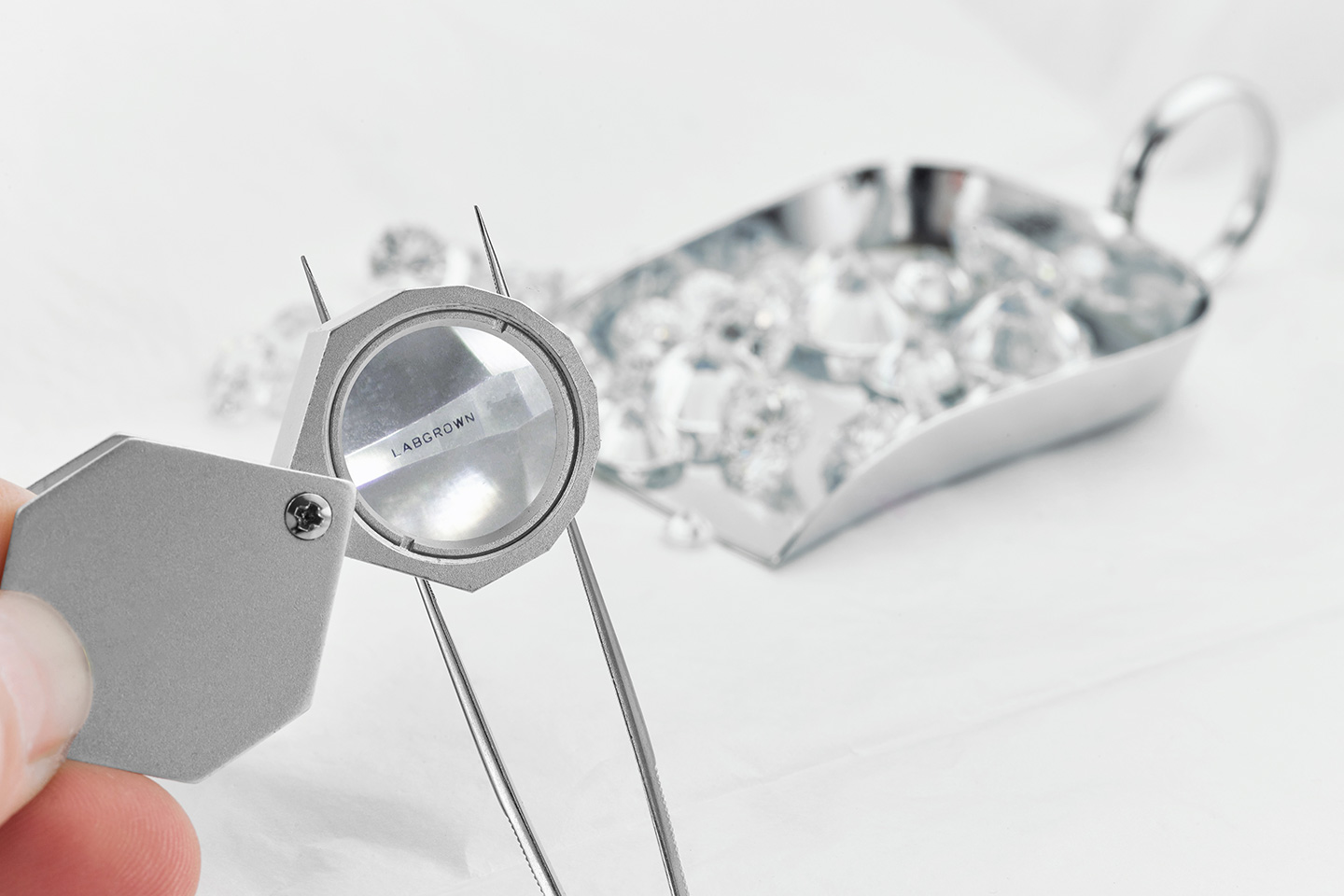
You can wear them every day. They scratch the same materials. They refract light the same way. A jeweler needs specialized tools to tell them apart.
This matters if you care about performance rather than origin stories.
White gold is chosen for its neutral tone and strength. It does not compete with the stone. It frames it. This makes it ideal when you want the diamond to stand out without warmth from yellow metals.
With white gold engagement rings you get a clean contrast. The metal reflects light back into the stone. This can make well cut diamonds appear brighter even at smaller sizes.
Practical example
A one carat round stone in white gold often looks larger than the same stone in yellow gold due to contrast.
One of the main reasons buyers consider man made diamonds is cost control. Prices are typically lower for the same visible quality. This lets you decide where your money goes.
You can choose a larger stone.
You can invest in a better cut.
You can allocate budget to craftsmanship or setting detail.
This is not about cheapness. It is about choice.
Origin does not replace evaluation. You still need to assess the same core factors.
Cut affects brightness more than size. Poor cut stones look dull regardless of origin.
Look for eye clean stones. Inclusions you cannot see do not add value.
White gold works best with near colorless grades. Lower grades may show tint.
Choose stones graded by recognized labs. This protects you during resale or upgrades.
Some buyers want fewer environmental unknowns. Controlled production offers traceability. You know where and how the stone was made. This matters if transparency is part of your values.
This does not require moral framing. It is about preference.
White gold requires periodic care. It is often plated with rhodium. Over time this coating wears. Replating restores brightness.
The diamond itself needs no special treatment. Man made diamonds handle daily wear just like mined stones. Clean them regularly. Inspect prongs yearly.
Resale value depends more on brand and craftsmanship than origin. Loose stones rarely hold retail value. This applies to all diamonds.
Perception varies. Some people care deeply. Others do not. What matters is that you are informed before you choose.
If you want visual impact efficient spending and predictable quality this option makes sense. If origin story matters more than measurable traits you may decide differently.
There is no universal answer. There is only alignment with your priorities.
Yes. They share the same physical and optical properties as mined diamonds.
No. In white gold engagement rings they appear the same to the eye when cut well.
Yes. Routine sizing cleaning and repairs are the same.
You do not need to justify your choice. You need to understand it.
What Cosmetic Dentistry Can Do for Your SmileDiamond Pendants With Modern AppealCVD Diamonds Quality, Grading and Buying ConsiderationsBridal Jewellery: What Australian Couples Should ConsiderHow to Choose an Oval Diamond Ring That Looks Balanced and BrilliantHalo Diamond Engagement Ring: A Smart Buying GuideDiamond Halo Engagement Rings: A Refined Choice for Modern UK ProposalsDiamond vs Moissanites: What You Need to KnowToi et Moi Ring A Modern Guide for Singapore BuyersA Smarter Way to Use Loans Against Jewellery for Cash Joyas con Diamantes de Laboratorio Elegancia Actual y Responsable
 Oval Engagement Rings: Smart Buying Guide
 Why Guys Are Switching to Alianzas de Boda para Hombre Lab Diamonds
 Oval Engagement Ring NZ – Your Guide to Buying Locally
 Yellow Gold Engagement Rings: A Timeless Choice
 Diamond Ring Halo: A Brilliant Choice with Lab-Grown Diamonds
 Ultimate Guide to a Toi et Moi Ring Singapore Featuring Man Made Diamonds
 The Subtle Magic of Colgante Diamante: Why Lab Grown Diamonds Are Changing Jewelry Forever