

Choosing bridal jewellery is less about following a fixed tradition and more about creating a set of pieces that feels right for the person wearing them. An engagement ring may begin the story, but the wedding band, earrings, necklace, bracelet or other fine jewellery can shape the finished look.
For Australian couples, the best choices usually balance personal style, comfort, durability and budget. Diamond type, metal colour, ring profile and everyday wear also deserve attention before a purchase is made.
Bridal jewellery generally refers to jewellery chosen for an engagement, wedding ceremony or the years surrounding a marriage. Engagement rings and wedding bands are the core pieces, but the category can also include diamond earrings, pendants, bracelets and anniversary jewellery.
Some buyers want every piece to match. Others prefer a more collected appearance, combining different metals, diamond shapes or design periods.
The useful question is not whether every item belongs to the same collection. It is whether the pieces look balanced when worn together and suit the wearer’s normal lifestyle.
If an engagement ring is already being worn, it should usually guide the choice of wedding band.
The height and shape of the engagement ring setting matter. A low-set centre stone may prevent a straight wedding band from sitting flush against the ring. In that situation, a curved or contoured band can create a closer fit.
Metal choice also affects the overall appearance. White gold and platinum create a cool-toned look, while yellow gold brings warmer contrast. Rose gold has a softer colour that can work particularly well with understated designs.
Mixed metals are also an option. Matching metals can create visual consistency, but there is no rule requiring both rings to be identical.
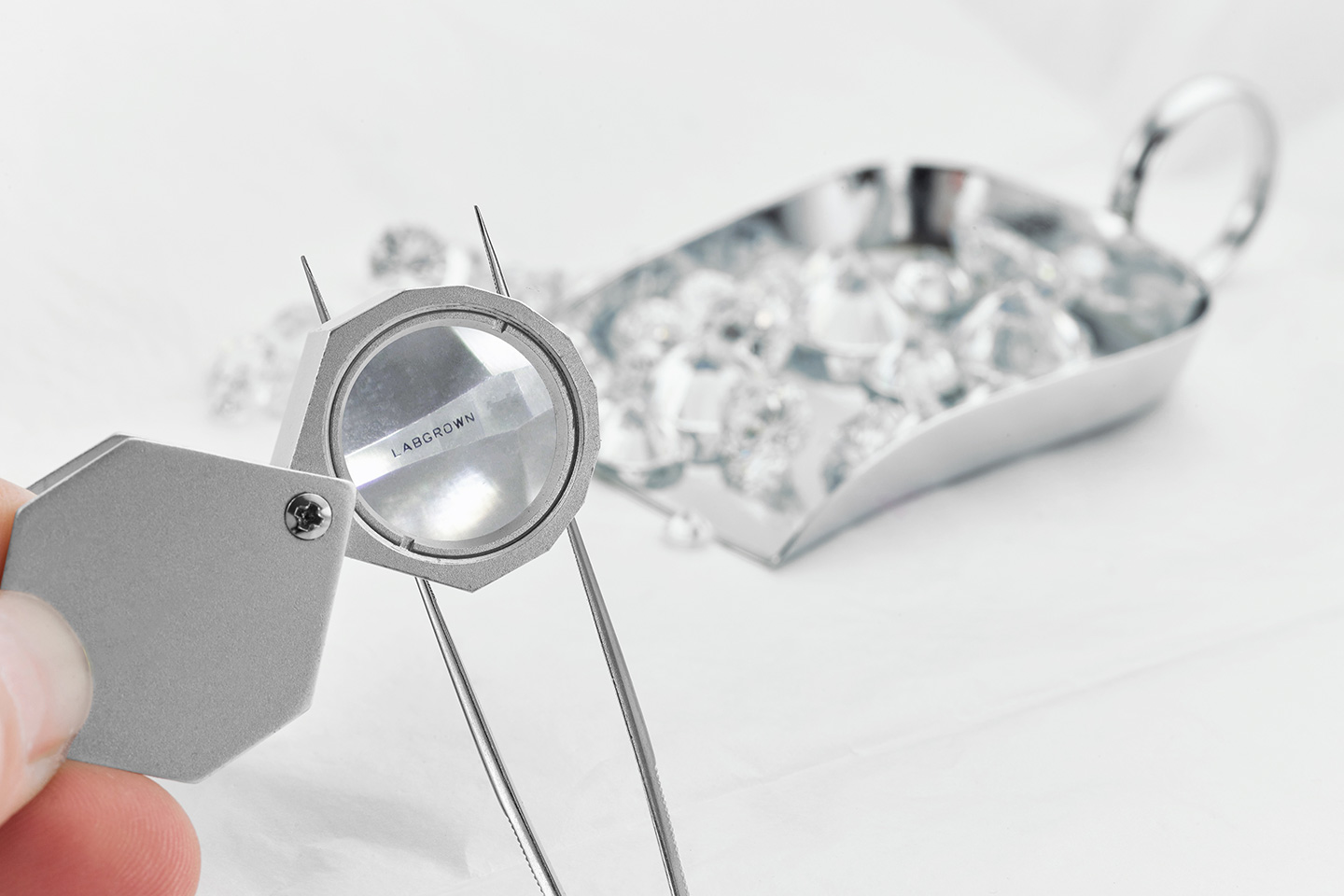
Lab-grown diamonds have become another option for couples considering diamond engagement rings and wedding jewellery. They are diamonds produced through controlled technological processes rather than formed naturally underground. They have essentially the same physical and visual characteristics as natural diamonds, although their origin is different.
That distinction should be clearly disclosed when shopping.
For Australian couples researching lab-created stones, the bridal jewellery available through novitadiamonds.com can serve as one reference point for comparing diamond-focused designs and styles.
Neither diamond origin automatically determines whether a piece is appropriate for a wedding. Buyers should consider appearance, documentation, design, personal priorities and what they are comfortable spending.
Carat describes diamond weight, but it does not tell you exactly how large a diamond will appear once set.
Two diamonds with the same carat weight can have different visible dimensions because their shapes and proportions differ. An elongated oval, pear or marquise may present differently on the finger from a round or cushion-shaped stone of similar weight.
Cut quality and proportions also man made diamonds how a diamond handles light. A larger numerical carat weight is therefore not necessarily the most visually satisfying choice.
When comparing centre stones, consider:
The visual balance between the stone, setting and wearer’s hand often matters more than choosing a particular carat number.
Diamond shape changes the character of an engagement ring more than many buyers expect.
Round diamonds tend to create a classic appearance and are often chosen for designs focused on brilliance. Ovals can give a softer, elongated look. Emerald cuts have broad, step-like facets and place greater emphasis on clean lines rather than the sparkle pattern associated with brilliant cuts.
Cushion cuts can feel traditional or contemporary depending on their proportions and setting. Pear, marquise and radiant shapes introduce stronger visual personalities.
There is no universally superior shape. A diamond should be judged as part of the complete ring rather than as an isolated specification.
The setting controls both appearance and practicality.
A solitaire gives the centre stone most of the visual attention. Halo settings surround it with smaller stones, creating additional sparkle and visual presence. Pavé designs add small diamonds along the band, while bezel settings surround more of the stone’s edge with metal.
Each approach has trade-offs.
Fine claws can create a delicate appearance but should be checked periodically for wear. Highly detailed pavé jewellery may need more careful maintenance than a plain band. A higher setting can make a diamond more prominent, but it may also catch more easily during everyday activities.
Someone who works frequently with their hands may value a lower-profile design more than dramatic height.
Independent diamond documentation can help buyers understand what they are purchasing, particularly for a significant centre stone.
A report may describe or assess characteristics such as weight, measurements, quality and diamond origin, depending on the laboratory and reporting system used. Reporting terminology is not identical across every laboratory, and grading organisations can update their systems over time. For example, GIA now uses a separate quality-assessment format for eligible laboratory-grown colourless to near-colourless diamonds.
Buyers should therefore read the actual report rather than relying only on a sales description.
It is also worth checking that any report number or identifying information supplied with the stone corresponds with the jewellery being purchased.
A ring can look impressive in a display case yet become inconvenient when worn every day.
Consider band width, thickness, setting height and how two rings feel when stacked together. Wider wedding bands can change the fit of an engagement ring, while rings with exposed diamond edges may rub against neighbouring jewellery.
Lifestyle matters too. Someone who removes jewellery frequently for sport, gardening or practical work may have different priorities from someone seeking a ring designed for continuous wear.
Trying different profiles can reveal preferences that are difficult to judge from photographs alone.
Wedding jewellery does not need to compete with a dress, suit or ceremony styling. Its strongest role is often to reinforce the wearer’s existing taste.
A detailed engagement ring may need only simple earrings and a plain band. A minimalist ring can leave room for a more expressive pendant or diamond earrings. Heirloom jewellery can also sit comfortably beside modern pieces when there is some connection through metal colour, scale or design.
The pieces most likely to remain meaningful are usually those selected for life beyond the ceremony. Comfort, craftsmanship and personal preference continue to matter long after wedding photographs have been taken.
What Cosmetic Dentistry Can Do for Your SmileDiamond Pendants With Modern AppealCVD Diamonds Quality, Grading and Buying ConsiderationsBridal Jewellery: What Australian Couples Should ConsiderHow to Choose an Oval Diamond Ring That Looks Balanced and BrilliantHalo Diamond Engagement Ring: A Smart Buying GuideDiamond Halo Engagement Rings: A Refined Choice for Modern UK ProposalsDiamond vs Moissanites: What You Need to KnowToi et Moi Ring A Modern Guide for Singapore BuyersA Smarter Way to Use Loans Against Jewellery for Cash Joyas con Diamantes de Laboratorio Elegancia Actual y Responsable
 Oval Engagement Rings: Smart Buying Guide
 Why Guys Are Switching to Alianzas de Boda para Hombre Lab Diamonds
 Oval Engagement Ring NZ – Your Guide to Buying Locally
 Yellow Gold Engagement Rings: A Timeless Choice
 Diamond Ring Halo: A Brilliant Choice with Lab-Grown Diamonds
 Ultimate Guide to a Toi et Moi Ring Singapore Featuring Man Made Diamonds
 The Subtle Magic of Colgante Diamante: Why Lab Grown Diamonds Are Changing Jewelry Forever