

Starting your search, stones might seem nearly identical at first glance. Sparkle comes easily with either diamond or moissanite. Rings made for engagements often feature one of these two. Pictures tend to show both as striking choices. Yet looks shouldn’t be the only thing shaping what diamond vs moissanites you pick. Worn again and again, what you pick needs to fit how you live. Matching routine, cost limits, and long-term hopes matters just as much. Into this space steps the lab made diamond. Not quite mined stone, not quite moissanite, it finds its place. Value shifts here, structure changes too – somewhere in the middle.
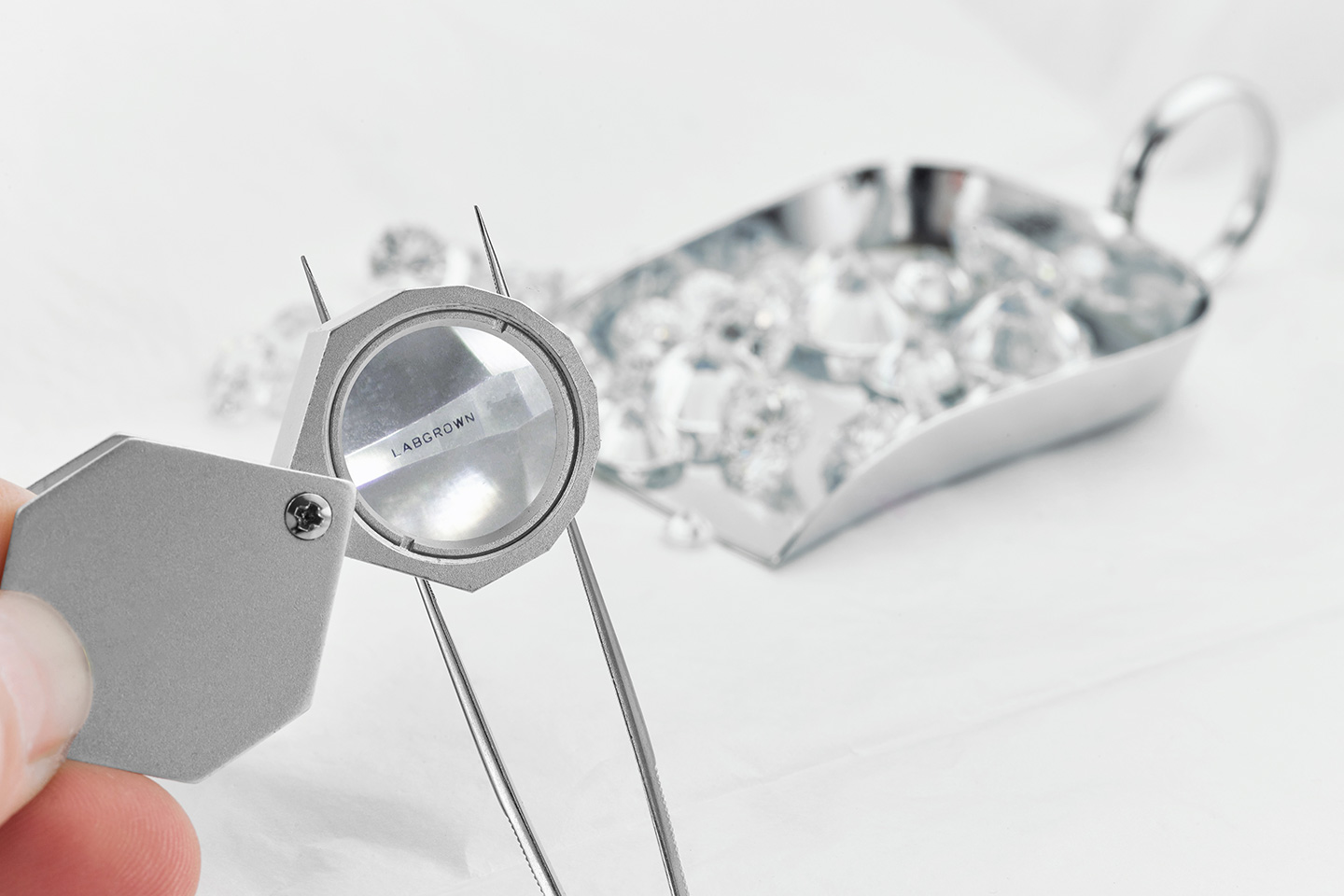
Diamonds made in labs count as genuine. Not fake at all. Same atomic layout as those dug from the ground. Only the origin sets them apart. Earth’s crust doesn’t squeeze these into being across eons. Machines build them instead, layer by precise layer. Technology takes the place of time and pressure deep below. Hardness stays identical. Clarity looks just as sharp. Light moves through it the same way. Take a lab grown stone – it’ll fool a standard diamond detector, no different than earth mined. That detail counts, since nothing about performance drops off. Only where it came from shifts.
Wearing a gem every day changes everything. Hardness becomes key when life gets busy. Diamonds – yes, even those made in labs – handle pressure like few things do. Bumps, scrapes, daily chaos? They barely notice. Moissanite holds up well too, yet gives just a little under constant use. Tiny marks might appear after years of real living. How it weathers time depends on what lies beneath the surface. When daily tasks demand constant hand movement, picking the right material matters more. Say your job involves long hours on a keyboard or gripping equipment – durability shifts toward tougher options.
Sparkle catches your eye right away with either stone. Yet how they shine sets them apart. White fire mixed with soft colored sparks comes from diamonds. Moissanite tends to throw off bold streaks of rainbow hues. A few folks enjoy that look. For others, it feels overwhelming. These stones look just like mined ones, right down to how they catch light. Your pick comes down to which version suits your eyes better.
When light hits it, moissanite can flash bright colors. In contrast, a diamond looks softer. Sometimes the sparkle feels almost quiet.
Here’s how price shapes things. Typically, natural stones cost the highest. On the opposite end, moissanite comes out cheapest. Lab grown ones land right between those two. Most folks overlook what they’re really covering. Size isn’t the only cost – it’s the makeup, how long it lasts, how people see it later on. Lab grown stones tend to stretch your money further than mined ones. Take this: a tiny earth-mined rock might cost like a much bigger man made version that looks just as clean.
Where a stone comes from matters to certain shoppers. Not everyone thinks about it though. Because these diamonds are built in labs, the path they took is right there. Their story starts with science, not digging. Earth removal plays no part at all. Lab creation applies to moissanite too. This trait they have in common. When clear sourcing matters, either one holds up well. Origin questions fade with both choices.
Most people overlook this early on. Yet natural diamonds come with a clear secondhand market. In contrast lab grown stones hold less worth over time. Meanwhile moissanite finds almost no buyers later. Later on, things might change even if buying a ring isn’t smart for returns. Still, it helps to know how it could play out down the road. Resale becomes part of the picture when that matters to you. Suppose you’re likely to switch rings one day – then value after purchase plays a role. Choosing too soon without weighing that factor can bring surprises.
Every stone requires some attention. While diamonds stay sharp with little effort, lab grown ones behave much the same way. To keep sparkle bright, wipe them down now and then. On moissanite, gunk might show up easier since how it grabs particles differs. A quick wash fixes most issues though
This simple routine keeps your stone looking sharp.
Think about choosing this if a genuine diamond matters, yet spending less is key. Same makeup inside. Identical toughness day after day. Looks just like any other sparkle under light. Yet the number on the tag skips the extra charge tied to earth-mined stones. It works when what counts most isn’t custom but function. Case point: A bold main gem stands out, even when funds stay grounded.
Most folks pick moissanite when saving money matters most. A shine that catches eyes, yet easier on the wallet. Built tough for everyday use, no question. Still, being okay with how it looks compared to others helps. Say you like flash for parties, care little about value later or what’s natural.
Slow down. This decision needs time. Picture using the ring every day. What feels essential? Turn the question inward
Better direction often comes from within, not from what’s popular.
Most people just look at carat weight first. Yet that choice might bring disappointment later. A different crowd forgets to check sparkle under sunlight. Wearing frequency slips their mind too. Picture how it fits your routine, not just the spark. Take size – bigger grabs attention on screen yet might snag on sleeves or slow you down getting keys out.
True. Their makeup matches real diamonds exactly. Shape and traits come out identical. Formation sets them apart. One grows underground. The other builds in a lab over weeks.
Some folks need more than one look. Yet when light hits just right, the way they shine might tell you apart.
True. When looked after well, both hold up just as long – each one lasting decades without fading out.
What Cosmetic Dentistry Can Do for Your SmileDiamond Pendants With Modern AppealCVD Diamonds Quality, Grading and Buying ConsiderationsBridal Jewellery: What Australian Couples Should ConsiderHow to Choose an Oval Diamond Ring That Looks Balanced and BrilliantHalo Diamond Engagement Ring: A Smart Buying GuideDiamond Halo Engagement Rings: A Refined Choice for Modern UK ProposalsDiamond vs Moissanites: What You Need to KnowToi et Moi Ring A Modern Guide for Singapore BuyersA Smarter Way to Use Loans Against Jewellery for Cash Joyas con Diamantes de Laboratorio Elegancia Actual y Responsable
 Oval Engagement Rings: Smart Buying Guide
 Why Guys Are Switching to Alianzas de Boda para Hombre Lab Diamonds
 Oval Engagement Ring NZ – Your Guide to Buying Locally
 Yellow Gold Engagement Rings: A Timeless Choice
 Diamond Ring Halo: A Brilliant Choice with Lab-Grown Diamonds
 Ultimate Guide to a Toi et Moi Ring Singapore Featuring Man Made Diamonds
 The Subtle Magic of Colgante Diamante: Why Lab Grown Diamonds Are Changing Jewelry Forever