

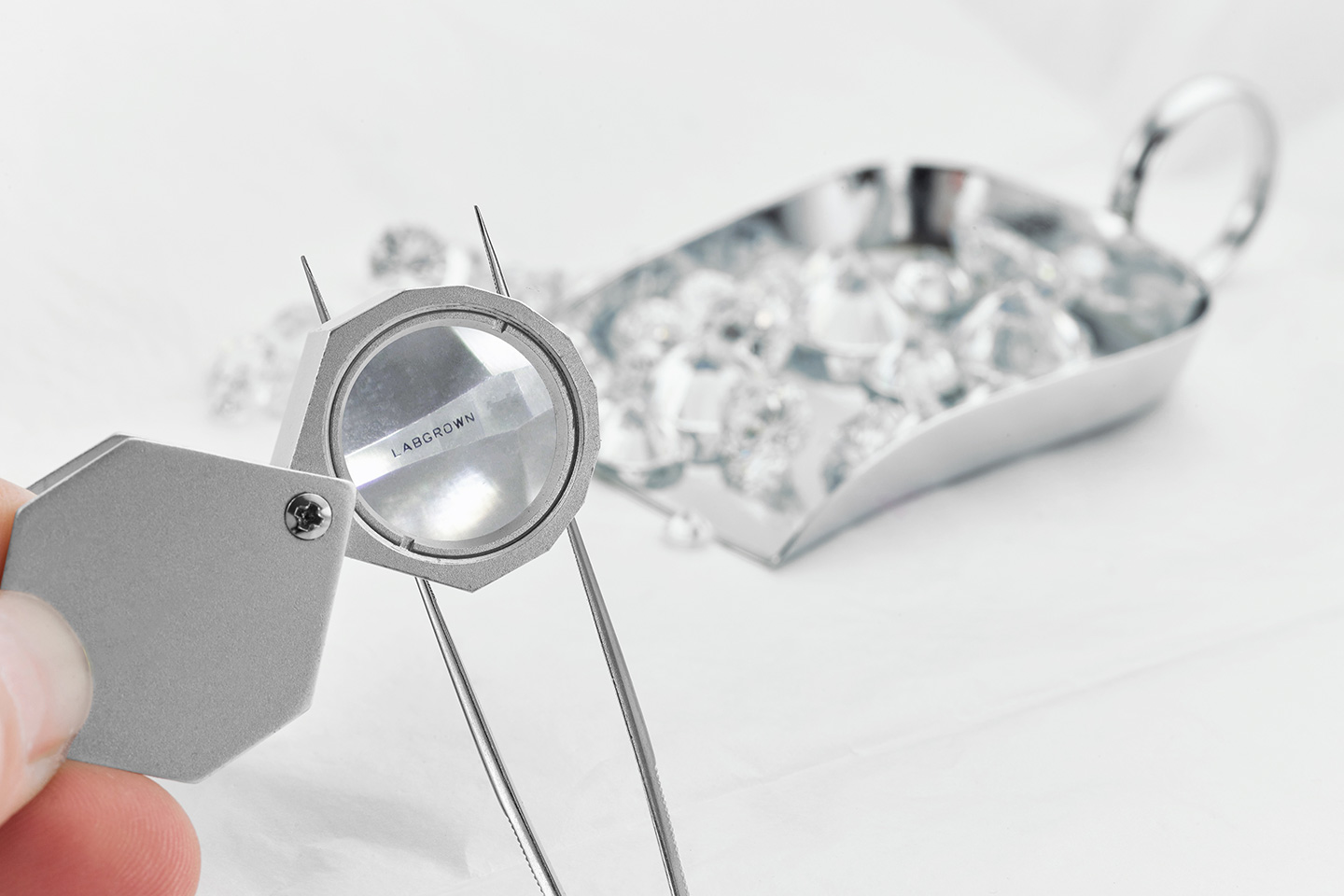


Sparkle like nature’s finest, yet built by human hands in quiet labs. Identical in structure, matching every trait found deep underground. Shine just as bright, cut just as tough, clear through the core. Instead of ancient heat and pressure below ground, scientists craft them using precise technology above it. Some name them synthetic, others say lab-made – same stone, different origin story. Starting off differently, these stones fit into wedding bands, trendy accessories, even heavy-duty equipment. A person eyeing a necklace might find lab-grown ones cost less while keeping solid value.
One method grows stones in a lab using heat plus pressure. Another mimics how nature builds them deep underground. Each path leads to real diamonds, just made faster. The outcome matches mined gems, atom by atom.
A different kind of growth kicks off deep inside machines. Instead of waiting millions of years, carbon gets squeezed hard while heated fiercely. In just days, something once loose becomes clear and solid – a diamond takes shape where none existed before.
A single breath of gas builds each diamond, one level at a time. With careful tuning, shade and dimensions stay exactly as intended. Some lab-made stones carry less clutter inside compared to those pulled from the earth. Though grown, not dug, their structure stands clear.
Choosing man made diamonds gives you several oval engagement ring nz.
A single lab-grown blue diamond might cost far less than one pulled from the earth. Though formed above ground, its color holds strong against natural versions found deep below. Some buyers choose this path simply to save without losing visual impact. Price gaps between the two types can stretch wide under certain conditions. A shopper might walk away surprised by how close they look despite different origins.
Though lab-grown stones count as genuine diamonds, a few details deserve attention.
Choosing depends on what matters most to you. Cost along with fair sourcing makes lab diamonds stand out. Resale value or scarcity might pull you toward mined ones instead.
Now showing up more often in wedding bands, man-made stones come in many forms. Round cuts sit beside angular styles, while stretched ovals fill the mix too. A shop selling oval rings in New Zealand might stock earth-made gems alongside created ones. With these synthetic options, spending stays flat but size goes up. Because jewelers reach precise specs easily, shaping personal ideas becomes less rigid.
A man made diamond can take just as much wear as a real one, sitting solid at level ten on the Mohs scale. Cleaning it? Not complicated at all.
Most diamonds get fancy treatments, but these? Just clean normally. Soap, water, a soft brush – same routine you already know.
Fake? That’s what some believe about lab diamonds. Not correct. Real gems, every one. Beauty lacking? A story told too often. Identical they look to mined stones – sometimes cleaner, even. Imperfections hiding inside? Less likely there.
When deciding, consider these questions:
Better odds favor lab-grown stones when those initial answers come back positive. Though it depends on what matters most, clarity often points one way.
Fine. These stones match real diamonds in makeup, structure, appearance – no difference shows.
Fine treatment keeps them going strong – just like mined diamonds, these hold up over years without wearing down. Their toughness matches nature’s version when looked after properly.
Fine. Mining methods stay out of it, so harm to nature and workers drops off. Still.
Why Guys Are Switching to Alianzas de Boda para Hombre Lab DiamondsOval Engagement Ring NZ – Your Guide to Buying LocallyYellow Gold Engagement Rings: A Timeless ChoiceDiamond Ring Halo: A Brilliant Choice with Lab-Grown DiamondsUltimate Guide to a Toi et Moi Ring Singapore Featuring Man Made DiamondsThe Subtle Magic of Colgante Diamante: Why Lab Grown Diamonds Are Changing Jewelry ForeverWhite Gold Engagement Rings and Modern Diamond ChoicesTwo Stones, One Meaning: Why Toi et Moi Rings Just Feel DifferentThe Real Story Behind the 4Cs of DiamondsThe Timeless Beauty of a Tennis Necklace with Lab Grown Diamonds The Story Behind the Sparkle of lab made diamonds
 Toi et Moi Lab Diamonds: Why This Trend Feels So Personal
 Toi et Moi and Lab Diamonds: Why This Duo Is Stealing Hearts
 Miu Miu’s Meteoric Rise: A Fashion Phenomenon in 2025
 Platinum Diamond Rings & Lab Diamonds: Why They’re Stealing the Spotlight
 The Smart Choice: Why More People Are Choosing to Buy Lab Made Diamonds, Man Made Diamonds
 Emerald Cut Engagement Rings NZ: The Rise of Lab Made Diamonds
 Diamond vs Moissanites: Understanding the Sparkle Beyond the Surface
 Discovering the Best Man Made Diamonds: A Modern Take on Lab Grown Diamonds
 Why Guys Are Switching to Alianzas de Boda para Hombre Lab DiamondsOval Engagement Ring NZ – Your Guide to Buying LocallyYellow Gold Engagement Rings: A Timeless ChoiceDiamond Ring Halo: A Brilliant Choice with Lab-Grown DiamondsUltimate Guide to a Toi et Moi Ring Singapore Featuring Man Made Diamonds